Legally, the United Kingdom ceased to be a member of the European Union on 31 January 2020. In December 2020, the United Kingdom also completed its withdrawal from the European Single Market and the Customs Union.United Kingdom However, if a national of a European jurisdiction is planning an extended stay (of more than six months) or a move to the United Kingdom, they will require a visa.
In other words, the UK Government has shifted from an open-door policy to a visa regime and points-based immigration system for EEA nationals.
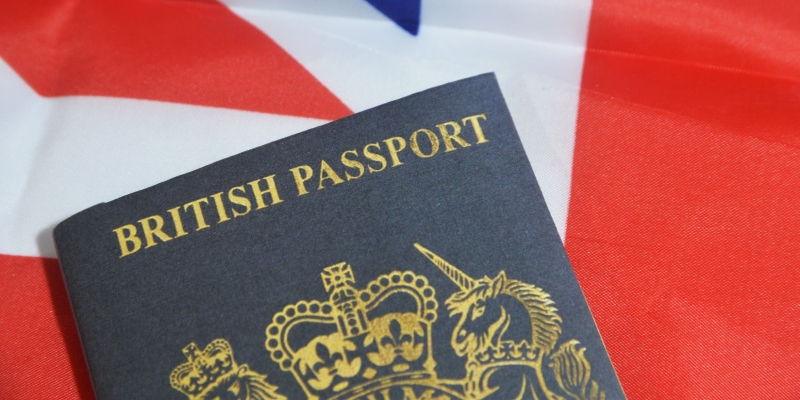
United Kingdom permission to enter the UK
From 2 April 2025, European citizens will be required to obtain an Electronic Travel Authorisation (ETA) before entering the United Kingdom. The only exception to this requirement is for Irish nationals.
As the name suggests, the ETA is an electronic document that is linked to the traveller’s passport.
European nationals must apply for this electronic entry clearance when planning a relatively short visit to the UK. This may include:
- a tourist visit;
- visiting family or friends;
- a business trip;
- short-term study;
- an artist visa for temporary work;
- participation in a paid event agreed in advance with the immigration authorities;
- transit through a UK airport involving border control.
Obtaining an electronic travel authorisation
An ETA is not a visa and can be applied for easily online via the government website or by using the official UK ETA mobile app.
In order for a European national to obtain electronic authorisation to enter the UK, they must have:
- a valid passport;
- an email address;
- the ability to pay for the ETA online using one of the standard payment methods.
How do I apply for an electronic permit using a smartphone app?
- During the application process, the app will prompt you to take a photograph of your passport’s photo page and confirm your identity by scanning your face within a designated frame.
- For holders of modern passports and smartphones with suitable hardware, the app may offer the option to scan the biometric chip.
- You will then need to submit a photograph of yourself. The image should show the applicant from the shoulders up, with a plain background. It is important that no accessories (such as glasses, hats, etc.) are worn that could obscure or alter the facial likeness.
- Next, you will need to complete a short form providing details of your planned trip to the UK.
- Finally, you will be asked to pay the application fee, which is currently £16. Once payment has been made, you will receive a reference number and be asked to confirm your email address. A decision will be sent to that address within three working days.
How long can I stay in England with an electronic entry permit?
An Electronic Travel Authorisation (ETA) allows a foreign national to stay in the UK for up to six months per visit. The ETA itself is valid for a longer period—either up to two years or until your passport expires, whichever comes first.
If an EU citizen plans to live and work in the UK for more than six months, they will need to obtain a long-term visa. The UK operates a points-based immigration system to ensure fairness in the granting of work, business, and study visas. All of these immigration routes involve a number of requirements for the applicant, each of which corresponds to a specific number of points.

What are settled and pre-settled statuses for european citizens?
EU Settlement Scheme (EUSS) is a European Union programme under which EU citizens, as well as nationals of the countries of the European Economic Area and Switzerland, who were residing in the United Kingdom until 31 December 2020, could apply for a settled status of the UK. The opportunity to apply for an immigration status allowing them to live and work in Britain was also available to family members of the individuals mentioned above.
Participants in the European Settlement Programme can have one of two statuses:
- Settled Status – Permanent Residence Permit (PRP). Holders have an unlimited right to live and work in the United Kingdom and are not subject to immigration control. Settled Status Fully complies with ILR.
- PreSettled Status – temporary residence permit. After 5 years of residence in the country, a European with prior approval for settlement under the EUSS programme was eligible to apply for a permanent residence permit.
From January 2025, the British government has decided to automatically grant permanent residence status to all European citizens with an expiring Pre-Settled residence permit. Thus, a significant number of pre-approved immigrants from Europe will be able to obtain permanent residence without any additional applications to the immigration authorities.
It was possible to apply for the EU Settlement Scheme until 30 June 2021. In some cases, which the English authorities call ‘good reasons’, it is possible to apply for the EU Settlement Scheme late. To find out if your circumstances are good enough reasons to be included in the EU Citizenship Immigration Scheme, please consult a member of our team!
According to official figures, more than 8.2 million applications have been submitted since the programme began, of which more than 8 million have been approved. As of September 2024, at least 5.4 million Europeans have been granted permanent residence in the UK under the EUSS.
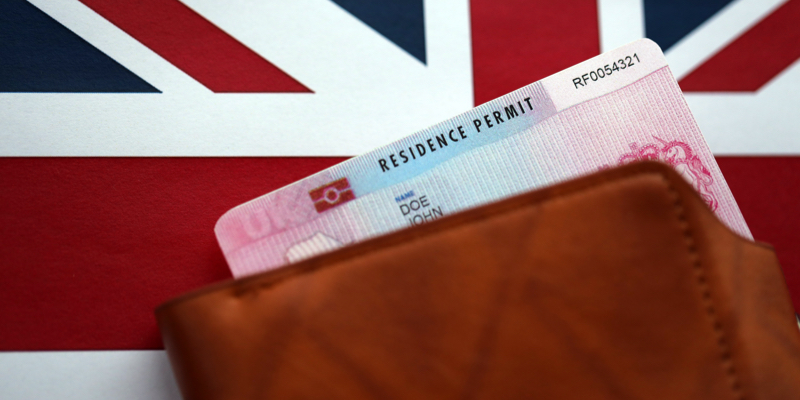
Rights and obligations of EU settlement scheme participants
Employment in the United Kingdom
Europeans in Settled or Pre-Settled status can work in the UK without any significant restrictions, unless their activities are controlled by the state through licences and permits.
The same treatment applies to European entrepreneurs who have been granted a residence permit under the EU settlement programme. They can register companies and do business in the United Kingdom under the same conditions as other British people.
After 1 January 2021, workers and entrepreneurs from Europe must apply for a long-term visa to move to England. For example, the Skilled Worker visa. In this immigration status, only those foreign professionals can live in the United Kingdom who have a certificate of sponsorship, who are paid at least the level set by the government, who have relevant professional qualifications and who know English well enough.
Access to public services
- NHS (National Health Service): European citizens with Pre-Settled, Settled, or permanent residence status have access to free healthcare on an equal basis with other British nationals.
- European citizens applying for long-term visas after 1 January 2021 must pay the immigration health surcharge as part of their visa application to access NHS services.
- State benefits: The same principles apply when European immigrants seek support from UK authorities.
Permanent residents can claim the same benefits and pensions as British subjects, if entitled. Those holding only a temporary residence permit should rely on their own resources and not expect government assistance. Permanent residence and UK citizenship for residents of European countries.
Permanent residence and UK citizenship for residents of european countries
Indefinite Leave to Remain (ILR) or permanent residence is required for immigrants who are planning to settle permanently in the UK. A permanent resident can live, work, and study in the UK for as long as they wish.
In terms of rights and obligations, the holder of a British residence permit does not differ significantly from other UK nationals. For example, they can access the National Health Service (NHS) free of charge and claim state benefits. Finally, after residing in the UK as a permanent resident for a qualifying period, you may apply for British citizenship.
How long does it take to become a permanent resident in the UK?
Most EU, EEA, and Swiss nationals who moved to the UK after 1 January 2020 will typically take between three and five years to obtain ILR.
For example, if you come to the UK on a Skilled Worker visa, you must have lived in the country for at least five years before applying for permanent residence. Your total absences from the UK must not exceed 180 days in any 12-month period.
A European specialist who moved to the UK on a long-term work visa must work continuously for their UK employer (sponsor) for all five years in a specified role, with a salary not lower than the government’s minimum threshold. During this time, the applicant may need to extend their visa, as the initial Certificate of Sponsorship is typically valid for two to three years.
As you may have realised, aside from the key criterion of length of stay, each visa route has specific requirements which must be met to qualify for permanent resident status in the United Kingdom.
British citizenship for European nationals
Before applying, check whether your home country allows dual citizenship. Some countries, such as the Netherlands, Slovakia, or Norway, may impose restrictions.
Most EU, EEA, and Swiss nationals become eligible for British citizenship 12 months after being granted ILR.
To successfully naturalise, applicants must:
- Hold ILR or be a participant in the EU Settlement Scheme (Settled or Pre-Settled status, subject to extra criteria for the latter)
- Not have been outside the UK for more than 450 days over the past five years
- Not have been outside the UK for more than 90 days in the 12 months before applying
- Have a clean immigration and criminal record
- Pass the Life in the UK test
- Demonstrate English language fluency
- Intend to continue residing in the United Kingdom
If you meet these conditions, our team will guide you through the application process. Like ILR, citizenship applications are usually decided within six months.
What other changes have been made to the UK’s immigration policy?
eVisa (Electronic Visa)
The UK is transitioning to a fully digital immigration system. Instead of a visa vignette and biometric residence card, migrants now receive an eVisa, which is stored in a digital UKVI account and linked to their passport. It replaces physical visa documents.
EES (Entry/Exit System)
From late autumn 2025, EU countries will introduce the EES for UK nationals travelling to Europe.
It includes facial scans and fingerprinting for first-time visitors to the Schengen Area.
Other requirements for an ILR applicant
- Good Character
The applicant must not have any serious criminal convictions or immigration law violations. - Successful Completion of the Life in the UK test.
The test covers the culture, history, and traditions of the UK. It cannot be taken remotely and must be completed at one of 30 accredited centres. The test lasts 45 minutes and includes 24 multiple-choice questions. A minimum of 18 correct answers is required to pass. The fee is £50. If the test is failed, a reattempt can be made after seven days with an additional £50 fee. Applicants under 18 or over 65 are exempt. - High Level of English Language Skills
Most applicants must provide a certificate from an authorised language centre proving successful completion of an approved English test. This must be submitted with the residence application or uploaded online. Oral proficiency must be at B1 level under the CEFR (Common European Framework of Reference for Languages).
The Process of Obtaining ILR in the UK
Working with Imperial & Legal significantly improves your chances of success. Here’s how we help:
Our legal team completes and submits the online ILR form and uploads all supporting documents. If dependants are included, separate forms are prepared for each.
The standard ILR application fee is £3,029.
Timeframe: 1 week